What to Expect at an Initial Evaluation for Pediatric Pelvic Floor Physical Therapy
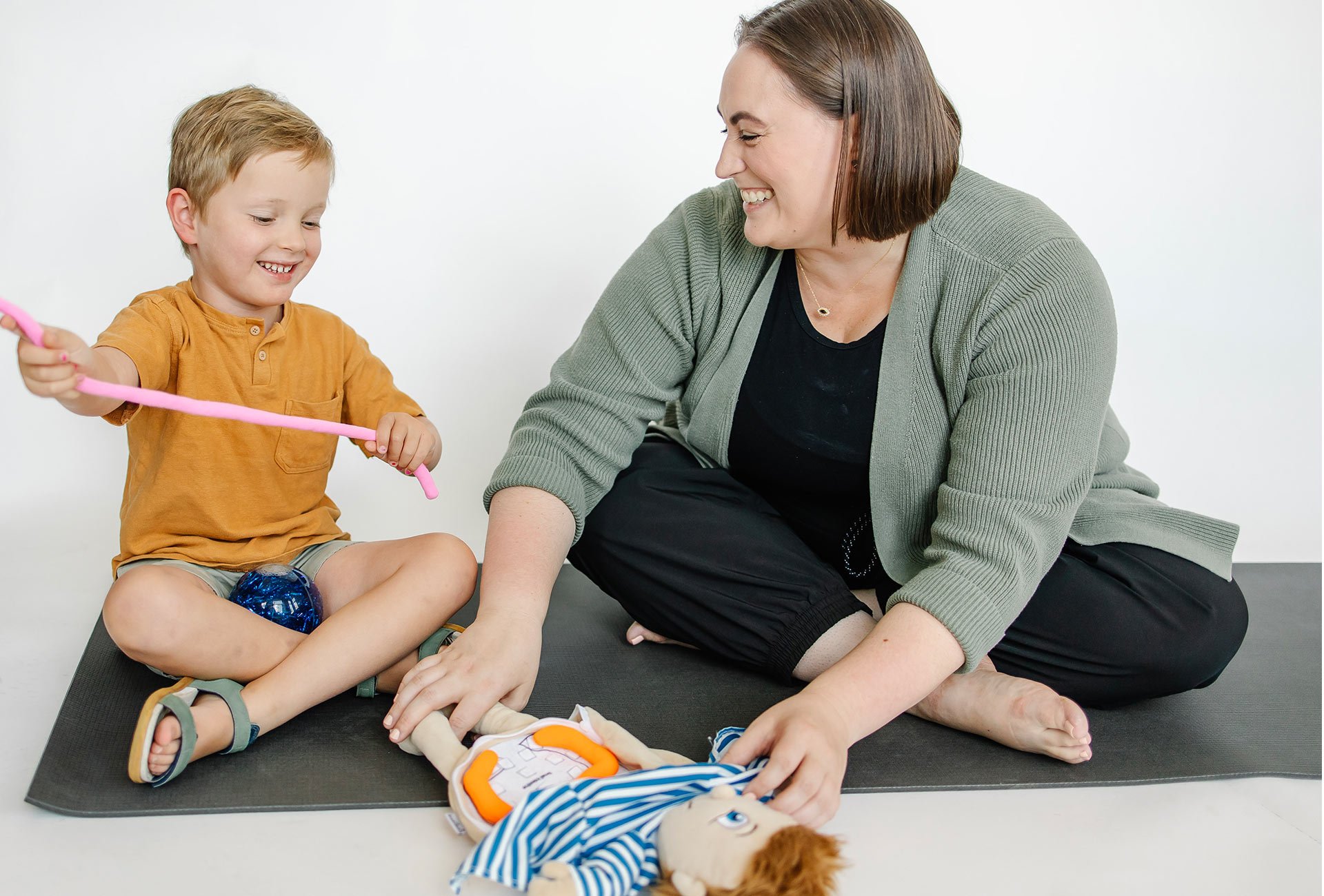
If your child has been referred to pelvic floor physical therapy, you may be wondering what the first appointment will be like. The words “pelvic floor” can sound intimidating, especially when they involve a child, but pediatric pelvic floor physical therapy is designed to be age-appropriate, play-based, comfortable, and family-centered.
The goal of the initial evaluation is to understand what your child is experiencing: identify factors that may be contributing to their symptoms, and develop a treatment plan that makes sense for your child and your family.
Here’s what you can expect at your child’s first appointment:
1. A Conversation About Your Child’s Symptoms
The evaluation will typically begin with a detailed conversation. Your physical therapist may ask about your child’s primary concerns, when the symptoms started, how often they occur, and how they affect everyday activities.
Depending on your child’s concerns, questions may include:
How often does your child urinate?
Does your child rush to the bathroom, have accidents, or wet the bed?
Does your child have difficulty starting or fully emptying their bladder?
How often does your child have bowel movements?
Does your child experience constipation, stool withholding, or painful bowel movements?
Does your child complain of abdominal, pelvic, hip, or back pain?
Does your child avoid using the bathroom at school or in public?
What strategies have you already tried?
Your therapist may also ask about your child’s birth history, developmental milestones, medical history, medications, activity level, nutrition and hydration, and previous treatments. These questions help your therapist understand the bigger picture and determine which areas may need attention.
2. Bathroom Habits Are an Important Part of the Evaluation
Because the pelvic floor plays an important role in bladder and bowel function, toileting habits are often a major part of pediatric pelvic floor therapy.
Your therapist may talk with you and your child about things such as toileting position, bathroom frequency, hydration, stool consistency, bladder habits, and whether your child tends to “hold” urine or stool. Your therapist may use pictures, books, or toys when asking these questions to make the conversation more engaging for your child.
3. Your Child Will Be Encouraged to Participate in the Conversation
The therapist will usually want to hear directly from your child when appropriate. Depending on their age and developmental level, your child may answer questions independently, participate with your help, or simply listen while you provide information.
4. A Physical Assessment Will Be Performed
The physical portion of the evaluation varies significantly depending on your child's symptoms, age, developmental level, medical history, and comfort.
An assessment may include looking at:
Posture and body mechanics
Breathing patterns
Abdominal and trunk movement
Hip and lower-extremity strength and mobility
Core strength and coordination
Functional movements such as squatting or getting up and down from a chair
How your child moves during age-appropriate activities like running, jumping, etc.
An internal pelvic floor examination is contraindicated for children. One way your child’s pelvic floor may be assessed is through a real-time ultrasound or by feeling the muscles through clothing. If any examination involving the pelvic region is considered appropriate, the therapist should explain what they are recommending, why it may be helpful, and what it would involve. Your child's comfort, consent, privacy, and safety should remain central to the process.
6. Treatment May Begin During the First Visit
The initial evaluation may include some treatment or education rather than being entirely assessment-based. Your therapist may use child-friendly diagrams, books, or models to help explain body processes. They may also have you and your child participate in play-based exercises you can recreate at home.
Your therapist might introduce:
Relaxation and diaphragmatic breathing
Toileting positioning
Timed bathroom routines
Strategies for avoiding urinary or stool withholding
Movement or stretching activities
Exercises to improve strength or coordination
Body-awareness strategies
A home program for your child and family
The therapist will typically choose activities that fit your child's age and daily routine.
7. Your Therapist Will Create a Personalized Plan
At the end of the evaluation, your physical therapist should explain what they found and how they recommend moving forward.
This may include recommendations for:
How frequently your child should attend physical therapy
What goals you will work toward
Activities to practice at home
Bathroom or toileting strategies
Ways parents and caregivers can support progress
When progress will be reassessed
Your child's goals should be specific and meaningful to them and your family.
How Can You Prepare for the First Appointment?
At our clinic, we ask that you complete the online intake form prior to your child’s appointment so that your therapist can understand the concerns you would like to address during the first appointment. It can be helpful to bring a list of medications and results from recent tests or imaging, or other relevant medical history, as well as information from your child's physician or other providers.
Most importantly, talk with your child beforehand in a simple, reassuring way. Let them know that the therapist is there to help with whatever has been bothering them and that they can ask questions or tell the therapist if something makes them uncomfortable. Avoid presenting the appointment as something scary or embarrassing. A calm, matter-of-fact approach can help your child feel more comfortable.
What If My Child Is Nervous?
It's completely normal for a child—or parent—to feel nervous about pediatric pelvic floor physical therapy. You can tell your child that they are in control of their body and that the therapist will explain what they are doing. Encourage your child to speak up if they have questions, need a break, or don't understand something.
An initial pediatric pelvic floor physical therapy evaluation is about much more than the pelvic floor itself. It is an opportunity to understand your child's symptoms, look at how their whole body is functioning, provide education, and create a plan that fits their individual needs. If your child has bladder, bowel, toileting, or pelvic pain concerns, you don't have to navigate them alone. With the right support, children can learn skills that help them feel more comfortable, confident, and independent in their everyday lives.

About Pelvic Health & Wellness
Pelvic Health & Wellness was built with you in mind. We practice whole-person, individualized pelvic floor physical therapy in a caring and safe environment. Our physical therapists specialize in treating pelvic health concerns such as pediatric PT, pelvic floor dysfunction, bowel and gut health, pain, prolapse, constipation, incontinence, fertility, and various pregnancy and postpartum-related conditions.
We understand that being ready to talk about and address your pelvic floor wellness concerns comes from a place of strength. We are here to support and encourage you on your journey back to health so you can return to doing what you love! If you are ready to take the first step in reclaiming your pelvic health and wellness, don't hesitate to get in touch with us today.