
Why Pelvic Floor Physical Therapy During Pregnancy Can Make a Big Difference
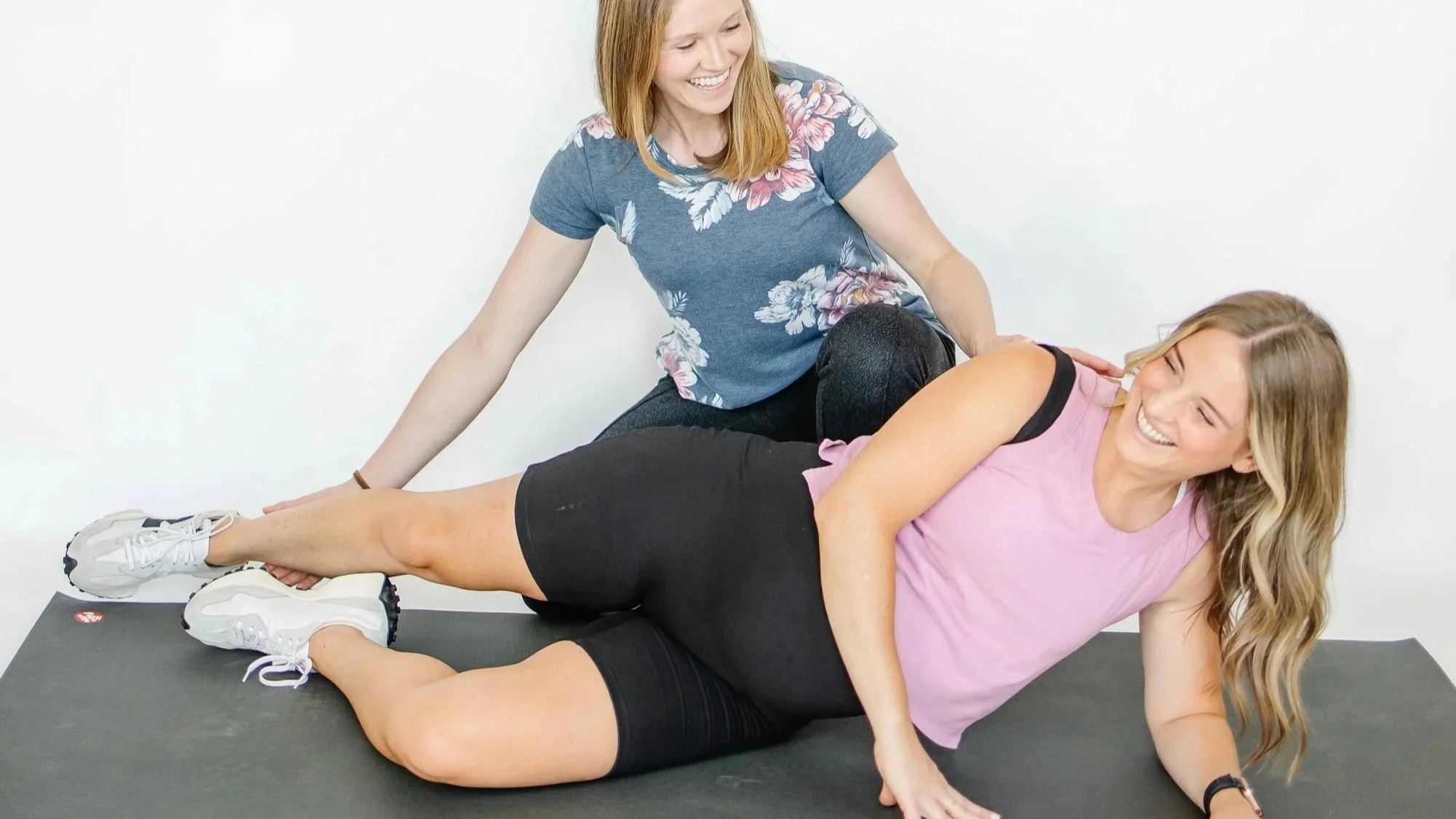
Pregnancy is an incredible journey filled with excitement, anticipation, and plenty of changes. As your body grows and adapts to support your baby, it's common to experience new aches, pains, and challenges that you may not have expected. While many people assume these discomforts are just "part of pregnancy," there’s actually a lot that can be done to find relief and support.
Pelvic Floor Physical Therapy During Pregnancy
Pelvic floor physical therapy is a specialized form of care that supports your body before, during, and after pregnancy. Whether you're dealing with bladder leaks, back pain, pelvic discomfort, or want to prepare for labor and recovery, there are so many reasons to see a pelvic floor therapist during pregnancy. Our therapists at Pelvic Health and Wellness are ready to help you feel stronger, move more comfortably, and approach birth with confidence.
One of the biggest differences between reading about labor preparation online or attending a standalone childbirth class vs. working with a pelvic floor physical therapist is that we don't just provide education—we help your body prepare. Every session at Pelvic Health and Wellness includes individualized assessment, hands-on treatment, movement training, and guided practice so your body has already rehearsed the skills you'll rely on during pregnancy, labor, delivery, and postpartum recovery.
First, What Is the Pelvic Floor?
The pelvic floor is a group of muscles, ligaments, and connective tissues that support your bladder, uterus, and bowel. These muscles are essential for bladder and bowel control, core stability, sexual function, and childbirth.
As your pregnancy progresses, your pelvic floor experiences increasing demands from your growing baby, changes in posture, and pregnancy hormones that affect your joints and connective tissues. A pelvic floor physical therapist looks at how your entire body is working—including your breathing, posture, abdominal muscles, hips, spine, and pelvic floor—to develop a treatment plan specific to your needs.
Managing Bladder Leaks During Pregnancy
Leaking urine while coughing, sneezing, laughing, exercising, or lifting is one of the most common concerns during pregnancy. While it's common, it isn't something you simply have to accept. It is very possible to reduce or even resolve your incontinence even during pregnancy.
Many people assume leaking means their pelvic floor is weak, but sometimes the muscles are actually too tight or aren't coordinating well with your breathing and core muscles. If we’re working on bladder leaks during pregnancy, we identify what's contributing to your symptoms and create a plan to improve pelvic floor and breathing coordination, reduce pressure on your bladder through various external, internal, and muscular support, and help you stay confidently dry and in control.
Managing Constipation During Pregnancy
Bowel changes, especially constipation and hemorrhoids, are also commonly experienced. Pregnancy-related hormonal changes, a growing uterus, changes in nutrition due to nausea, increased iron supplementation from prenatals, and altered posture can contribute to constipation and increased pelvic floor muscle tension, making it more difficult to empty the bowels comfortably.
We can provide interventions to reduce bowel straining, improve toileting position and emptying, nutrition recommendations for adequate fiber and fluid intake, and pelvic floor muscle relaxation techniques to help with overall comfort and healthy bowel function.
Managing Pregnancy-Related Pain
Other common AND treatable concerns during pregnancy can include low back pain, hip pain, pelvic girdle pain, pubic symphysis pain, tailbone pain, round ligament pain, sciatica, and rib discomfort.
Rather than only treating symptoms, we help provide both short-term and long-term relief by identifying the cause of your discomfort as your body changes. You deserve to be a functioning, comfortable human at all stages of your pregnancy, and the demands of life don’t stop just because you’re pregnant. We’ve got strategies and treatment options to help you continue doing the activities you need and want to do, whether it’s traveling for work or playing with your kids.
Building Strength and Staying Active
Staying active during pregnancy benefits both you and your baby, but exercise often needs to evolve as your body changes.
Instead of telling you to stop exercising when something becomes uncomfortable, we help you modify your workouts based on where you are in pregnancy and how you're feeling. Whether you enjoy running, strength training, yoga, Pilates, CrossFit, walking, or simply want to keep up with daily life, we'll help you adjust your movements so you can continue exercising safely.
Along the way, we'll strengthen your core, hips, glutes, upper back, legs, and pelvic floor to improve posture, reduce discomfort, support daily activities, and prepare your body for labor, delivery, and caring for your newborn. Our goal is simple: help you stay as active as possible for as long as possible.
The Power of Breathing
Breathing is one of the most powerful—and often overlooked—tools during pregnancy and labor.
Your diaphragm, abdominal muscles, and pelvic floor work together as a team. Learning how to coordinate your breathing improves core support, reduces unnecessary pressure on your pelvic floor, and promotes relaxation.
We don't only explain breathing techniques—we practice them together. Throughout pregnancy, you'll learn how to use your breath during exercise, everyday movements, and labor preparation so these patterns feel natural when you need them most.
Preparing for Labor
Labor preparation goes far beyond discussing what might happen. During your visits, we'll practice the skills you'll actually use.
Together we'll rehearse effective pushing strategies, coordinate your breathing with pushing, and work on relaxing the pelvic floor when appropriate. We'll also explore a variety of labor positions—including hands and knees, side-lying, supported squatting, kneeling, standing, and birth ball positions—so you discover what feels comfortable for your body before labor begins.
If you're planning an unmedicated birth, or want additional tools to help manage contractions, we'll add in progressive muscle relaxation strategies, guided imagery, vagal nerve activations, and other comfort measures. These aren't skills you're trying to remember in labor—they're skills your body has already practiced.
Helping Your Partner Feel Prepared
Partners often want to help, but aren't always sure how.
Our sessions can include your support person so they can practice alongside you. We teach partners how to provide counterpressure, assist with position changes, use massage techniques, support your breathing, and help you stay relaxed throughout labor.
Practicing together beforehand helps you both feel more confident and prepared for birth.
Understanding Perineal Massage
As you approach delivery, we may discuss perineal massage if it's appropriate for you.
Perineal massage gently stretches the tissues around the vaginal opening during the final weeks of pregnancy. Research suggests it may decrease the likelihood of more significant perineal tearing, particularly for first-time vaginal births. It can also help your body desensitize to the sensation of crowning.
We'll explain when to start, demonstrate proper technique, and make sure you feel comfortable doing it safely at home.
But…Won't Giving Birth Just Undo All the Work?
One of the most common questions we hear is:
"If I'm going to give birth anyway, won't all of this just be undone? Shouldn't I wait until after my baby is born?"
It's a fair question—but the answer is, luckily, no!
Think about preparing for birth like training for a marathon. The goal of training isn't to avoid the challenge; it's to prepare your body to meet it and recover more effectively afterward.
Birth will naturally place significant demands on your body, whether you have a vaginal delivery or a cesarean birth. Our goal isn't to prevent those changes—it's to help your body adapt to them as efficiently as possible.
Every breathing strategy you practice, every strengthening exercise you perform, and every movement pattern you coordinate builds a stronger foundation for a better recovery. Many people find postpartum rehabilitation feels less overwhelming because of the preparation they’ve done. Instead of learning everything while recovering, sleep-deprived, and caring for a newborn, you're building on skills you've already developed throughout pregnancy.
Prenatal and postpartum physical therapy aren't separate experiences—they're two parts of the same journey. The work you do during pregnancy helps set the stage for a smoother recovery after birth.
Preparing for Recovery
Many parents spend months preparing for labor but very little time thinking about recovery. Whether you have a vaginal birth or a cesarean section, your body deserves rehabilitation.
After a vaginal delivery, pelvic floor physical therapy can help restore strength and coordination, improve bowel and bladder function, decrease pain, address scar tissue when needed, and guide a safe return to exercise.
Following a cesarean birth, we focus on many of the same things, but make sure to place special care towards scar recovery so you can confidently lift your baby, exercise, and get back to everyday tasks without fear or pain.
An Investment in Your Pregnancy and Beyond
Pregnancy and birth place incredible demands on the body, and preparation goes beyond a quick online search. Pelvic floor physical therapy combines hands-on care, individualized treatment, movement training, and guided practice so you don't just know what to do—you've already experienced it.
By addressing discomfort early, helping you stay active throughout pregnancy, preparing you for labor, and supporting your recovery afterward, our therapists at Pelvic Health and Wellness help you move into parenthood feeling stronger, more confident, and ready for whatever your birth story brings.
Whether you're newly pregnant, nearing your due date, or planning for life after delivery, investing in your body now is one of the best ways to support both your birth experience and your recovery. Your body is doing something extraordinary—it deserves care that prepares it every step of the way.
About Pelvic Health & Wellness
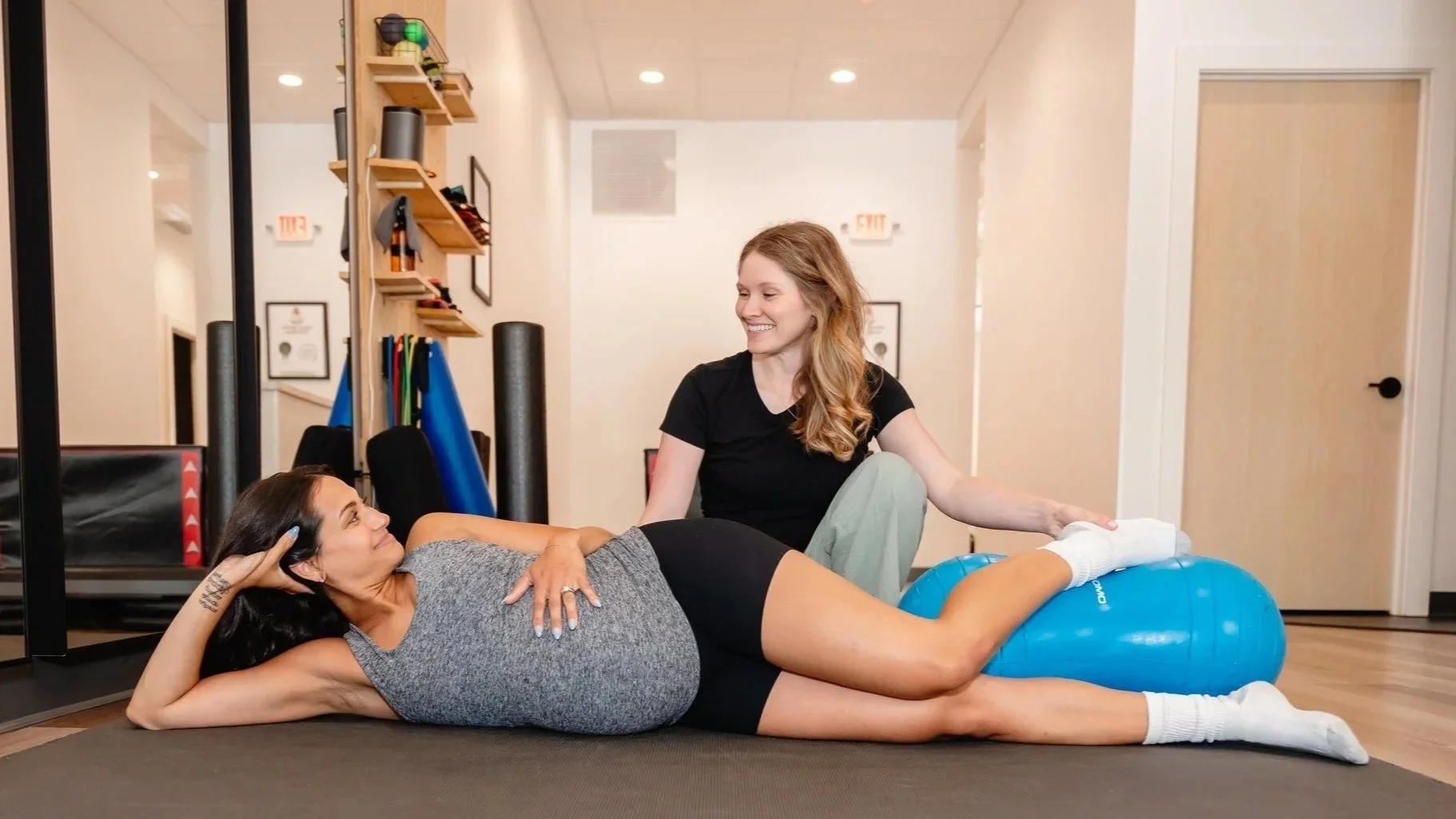
Pelvic Health & Wellness was built with you in mind. We practice whole-person, individualized pelvic floor physical therapy in a caring and safe environment. Our physical therapists specialize in treating pelvic health concerns such as pelvic floor dysfunction, bowl and gut health, pain, prolapse, constipation, incontinence, fertility, and various pregnancy and postpartum-related conditions.
We understand that being ready to talk about and address your pelvic floor wellness concerns comes from a place of strength. We are here to support and encourage you on your journey back to health so you can return to doing what you love! If you are ready to take the first step in reclaiming your pelvic health and wellness, don't hesitate to get in touch with us today.
