Pelvic Floor Physical Therapy FAQ

Traditionally, physical therapy was something you went to after an injury, surgery, or major medical event. And while that kind of care is still incredibly important, physical therapy has evolved. Today, it can also be a powerful way to proactively support your overall health and wellness.
Pelvic Floor Physical Therapy is a great example of that shift. This specialized form of care helps people of all ages and genders better understand their bodies, address pelvic floor concerns, and feel more confident in their day-to-day lives.
Your pelvic floor plays a bigger role in your overall health than most people realize. These muscles support your bladder, bowel, and reproductive organs, and they work closely with your core, hips, and breath. When something isn’t functioning quite right, it can show up as pain, leaking, pressure, or discomfort—and often in ways you don’t realize are connected.
Pelvic floor physical therapy helps improve overall well-being through personalized education, ongoing support, and customized treatment plans. With the right care, many people find relief, strength, and long-term improvement they didn’t think was possible.
If you’re new to pelvic floor PT, you might be wondering:
What exactly is it?
How do I know if it’s right for me?
What should I expect?
Let’s walk through some of the most common questions to help you decide if pelvic floor physical therapy could be a good fit for you.
So… what exactly is pelvic floor physical therapy?
Pelvic floor physical therapy is a specialized area of physical therapy focused on treating the muscles, nerves, and connective tissues in the pelvis to address dysfunction, weakness, and pain. A pelvic floor physical therapist looks at the whole picture, including posture, breathing, movement patterns, and muscle coordination, to help your pelvic floor work the way it’s meant to. Using tailored exercises, manual techniques, and lifestyle changes, pelvic floor PT helps manage conditions such as incontinence, pelvic pain, urgency/frequency, constipation, prolapse, and various pregnancy and postpartum concerns.
What is the pelvic floor?
The pelvic floor is a group of muscles, ligaments, tendons, nerves, and connective tissues that span the bottom of the pelvis. These structures support the bladder, bowel, and uterus and play an important role in bowel, bladder, and sexual function, as well as in overall pelvic and core stability.
How do I know if pelvic floor physical therapy is right for me?
Pelvic floor physical therapy can be helpful for many people—especially if you value proactive, whole-body care. Some common signs that pelvic floor PT may be worth exploring include:
Frequent urination or urinary leakage
A feeling of heaviness or pressure in the pelvis (pelvic organ prolapse)
Pelvic pain or discomfort
Constipation or difficulty with bowel movements
Pain during intercourse or inserting a tampon
Pelvic floor PT can also be especially supportive during pregnancy and postpartum recovery, for those with endometriosis, as well as for anyone trying to conceive or navigating fertility challenges.
If something doesn’t feel quite right, that alone is a valid reason to seek care.
What should I expect at my first pelvic therapy visit?
Your first visit starts with a conversation. You’ll spend time talking with an experienced pelvic floor physical therapist about your concerns, health history, and goals. We’ll discuss not just your symptoms, but how they’re affecting your life.
This is followed by a physical therapy evaluation to assess movement, posture, and overall function. With your consent, an internal pelvic floor evaluation may be recommended if it’s appropriate for your needs.
You’ll leave with a clear understanding of what’s going on, what the next steps are, and simple actions you can begin right away to support your pelvic health.
Beyond my first visit, what happens during a pelvic floor PT session?
Pelvic floor physical therapy sessions are highly individualized. Your therapist may use a combination of hands-on manual techniques, guided exercises, and movement coordination strategies to help retrain and support your pelvic floor muscles.
Some of the tools and techniques your pelvic floor specialist may use include:
Pain education
Strengthening and flexibility exercises
Breathing techniques
Visceral manipulation
Myofascial release and soft tissue massage
Soft tissue and scar tissue mobilization
Craniosacral therapy
Dry needling
Biofeedback or visual ultrasound
Kinesiotaping
Functional movement and postural coaching
You’ll also receive a customized at-home program to help you continue making progress between visits. The goal isn’t just symptom relief—it’s helping your body move, function, and feel better in the long run.
Do I need a referral to see a pelvic floor physical therapist?
In most cases, no referral is required. Many states (including Wisconsin) allow direct access to physical therapy, which means you can schedule an appointment without seeing a physician first.
Is pelvic floor physical therapy only for women?
Not at all. Everyone has pelvic floor muscles, and pelvic floor physical therapy can benefit people of all genders.
For men, pelvic floor PT can be especially helpful before and after prostate surgery, as well as for concerns like Chronic Prostatitis/Chronic Pelvic Pain Syndrome, erectile dysfunction, painful ejaculation, urinary urgency or leakage, and constipation.
Can pelvic floor physical therapy help children, too?
Absolutely. Pelvic floor physical therapy isn’t just for adults. Children can also benefit when pelvic floor muscles and movement patterns contribute to symptoms.
A pediatric pelvic floor PT can help kids who are dealing with:
Urinary frequency or urgency (needing to go often or suddenly)
Daytime wetting or bedwetting
Constipation or painful bowel movements
Soiling or irregular toileting habits
Pelvic or lower belly discomfort
Toileting anxiety or avoidance
Therapy for kids focuses on gentle, age-appropriate education, movement and breathing strategies, comfortable toileting patterns, and coordinated muscle support—all delivered in a way that feels safe and understandable for your child.
How can I tell if my pelvic floor is weak or not working well?
Some common signs of a weak or dysfunctional pelvic floor include urinary leaking or urgency, bowel issues like constipation or straining, pain in the pelvic region or low back, pain during intercourse, and a feeling of heaviness or pressure in the pelvis.
The best way to know what’s really going on is through an evaluation with a pelvic floor physical therapist, who can assess your unique symptoms and help determine what type of support your body needs
What kinds of symptoms can pelvic floor physical therapy help with?
Pelvic floor physical therapy can support a wide range of concerns, including:
Bladder or bowel leakage
Urgency with elimination
Pelvic organ prolapse
Pain during intercourse
Discomfort with tampon use or speculum exams
Pregnancy-related pain
Postpartum recovery (including cesarean recovery)
Diastasis recti (separation of the abdomen)
Infertility
Sciatica, hip pain, and low back or core weakness
If you are living with any of these pelvic floor symptoms, you don’t have to push through them or accept them as “normal.” A pelvic floor physical therapist can help you get to the root of the problem and guide you toward relief.
How can pelvic floor PT help during pregnancy?
Pelvic floor physical therapy can help you stay more comfortable, prepared, and confident throughout pregnancy.
As your baby grows, your posture shifts, pressure increases on your pelvic floor, and hormones change how your muscles and ligaments function. This can lead to back pain, hip pain, pelvic pressure, leaking, constipation, or general discomfort—all of which are common, but not something you just have to “deal with.”
Prenatal pelvic floor PT can help by:
Reducing back, hip, and pelvic pain
Supporting bladder and bowel control
Teaching breathing and movement strategies
Preparing your body for labor and delivery
Guiding safe exercise during pregnancy
Setting you up for a smoother postpartum recovery
Beyond symptom relief, pregnancy PT helps you understand how your body is changing and how to work with it, not against it. Many moms appreciate having a space to ask questions, feel supported, and leave with clear, practical tools they can use right away.
How can pelvic floor physical therapy support me after having a baby?
Having a baby is a big physical event, and your body goes through a lot (and continues to do so even after delivery). Pelvic floor physical therapy can help make your postpartum recovery feel more supportive and effective by addressing the changes and challenges your body may be experiencing.
Here’s how postpartum pelvic floor PT can help:
Target postpartum symptoms like urinary leakage, pelvic pressure, and pelvic pain
Assess and help heal diastasis recti, the separation of abdominal muscles that many moms notice after pregnancy
Support recovery after cesarean surgery by addressing scar tissue, adhesions, and movement limitations
Help restore bladder and bowel control so you feel confident and in control again
Ease pelvic or back discomfort as you return to daily activities and movement
Guide safe return to exercise and activity
Can pelvic floor physical therapy still help if I’ve had symptoms for years?
Yes. Many people come to see us after living with leaking, pain, pressure, or discomfort for a long time. Sometimes they were told it was “normal,” sometimes they were told to just do Kegels, and sometimes they simply didn’t know this type of care existed.
Your body is adaptable. With the right assessment and a personalized treatment plan, it’s possible to improve strength, coordination, mobility, and overall function—even if symptoms have been present for years.
It’s never “too late” to support your pelvic health.
Can pelvic floor physical therapy help with fertility challenges?
Yes, pelvic floor physical therapy can support fertility by improving blood flow, reducing pain that may interfere with conception, and addressing physical restrictions such as adhesions that can impact the reproductive organs.
Pelvic floor PT can also help with scar tissue, inflammation, and restrictions within the pelvic region, and may be supportive for individuals undergoing fertility treatments such as IVF (in vitro fertilization) or IUI (intrauterine insemination).
What is Mercier Therapy, and who is it for?
Mercier Therapy is a non-invasive, external visceral manual therapy that focuses on the pelvic organs. It’s designed to improve blood flow, reduce scar tissue adhesions, optimize organ positioning, and restore mobility within the reproductive system.
This gentle, natural approach supports overall pelvic health and may help improve the body’s ability to conceive. It can also support postpartum recovery and help manage conditions such as PCOS, endometriosis, uterine fibroids, and pelvic inflammatory disease.
Next Steps
Wherever you are on your wellness journey, you don’t have to navigate pelvic floor concerns alone. At Pelvic Health & Wellness, we’re passionate about helping clients feel supported, informed, and confident in their bodies.
If you have questions, want to learn more, or are ready to take the next step, we’re here for you. Your path toward lasting pelvic health and well-being can start today.
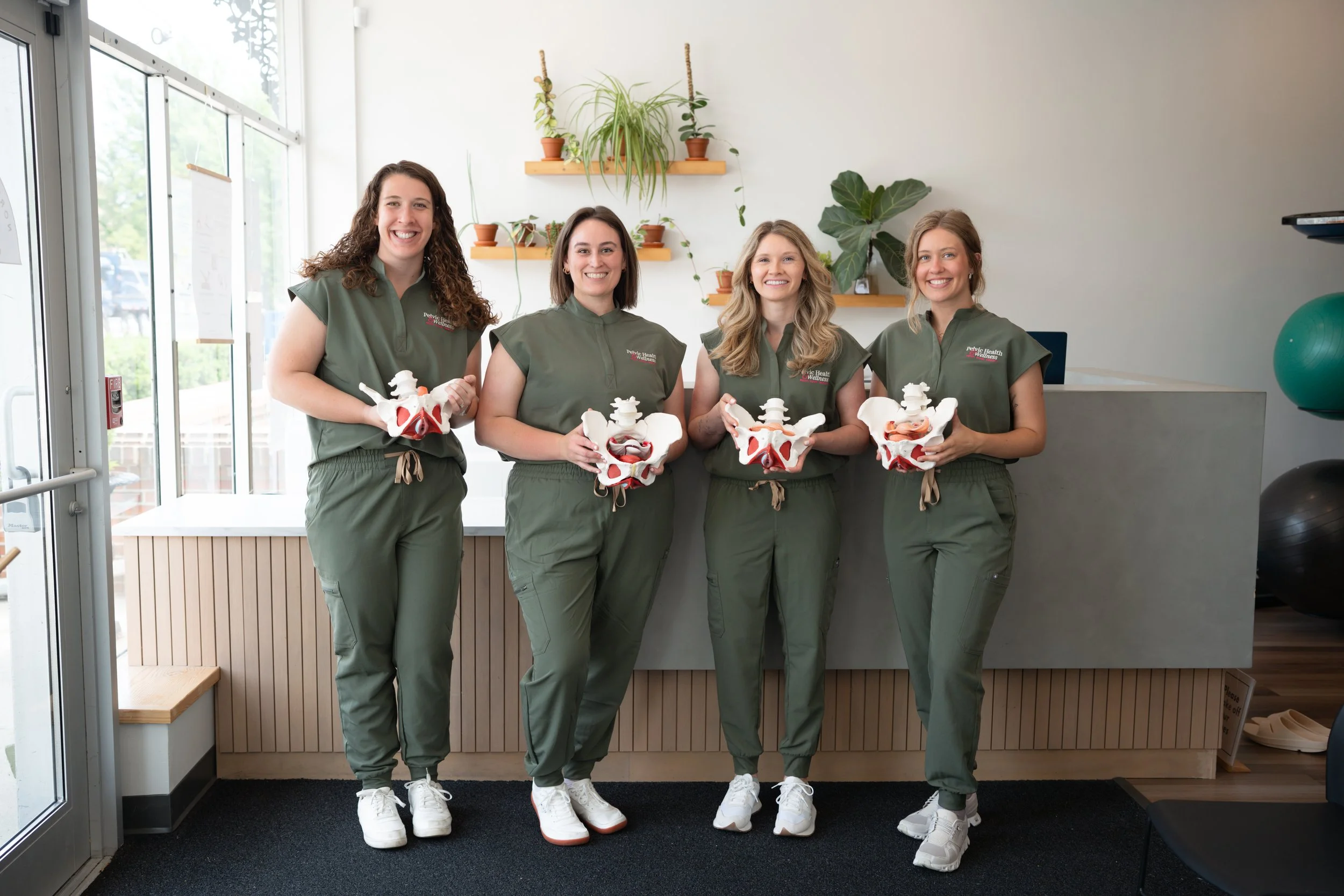
About Pelvic Health & Wellness
Pelvic Health & Wellness was built with you in mind. We practice whole-person, individualized pelvic floor physical therapy in a caring and safe environment. Our physical therapists specialize in treating pelvic health concerns such as pelvic floor dysfunction, bowel and gut health, pelvic pain, pelvic organ prolapse, constipation, incontinence, fertility, and various pregnancy and postpartum-related conditions.
We understand that being ready to talk about and address your pelvic floor wellness concerns comes from a place of strength. We are here to support and encourage you on your journey back to health so you can return to doing what you love! If you are ready to take the first step in reclaiming your pelvic health and wellness, don't hesitate to get in touch with us today.